
Eleven Things to do in Alanya
Alanya, previously Alaiye, is a seaside resort town and province of Antalya Province on Turkey’s south coast, in the Mediterranean Area, 83 miles east of Antalya. Alanya’s Mediterranean environment, ancient history, and natural features make it a famous tourist destination, accounting for 9% of Turkey’s travel industry and 30% of Turkey’s foreign earnings from property investment.
Alanya is famous for its beautiful beaches. From June to August, the beachfront strips in the city and along the nearby coast have always been top spots for resort holidays and are frequently filled over by a crowd of Europeans. Alanya is more than just its coast. The peninsula’s high cliff is home to a historic castle area protected by well-preserved, mighty stone walls. More ancient relics are situated near the port, standing over a harbor where boats wait to go out to the sea. Alanya is within morning trip distance among some of the most well-known historic ruins and tourist destinations in the Mediterranean region.
Alanya has a standard Coastal hot-summer climate. The sub-tropical, highly pressurized zone, situated in the Mediterranean Area, guarantees that most rain falls during the wintertime, allowing the summertime to be hot, long, and dry, causing the Alanya Tourism Board to employ the motto “where the sun smiles.” The proximity of the Taurus Mountain to the sea generates fog, which results in clear rainbows on many mornings. The mountains’ height contributes to a scenic view in the hot months of the summer below; snow may be visible on them. The estimated yearly temperature of the sea in Alanya is 21.4 °C.
History
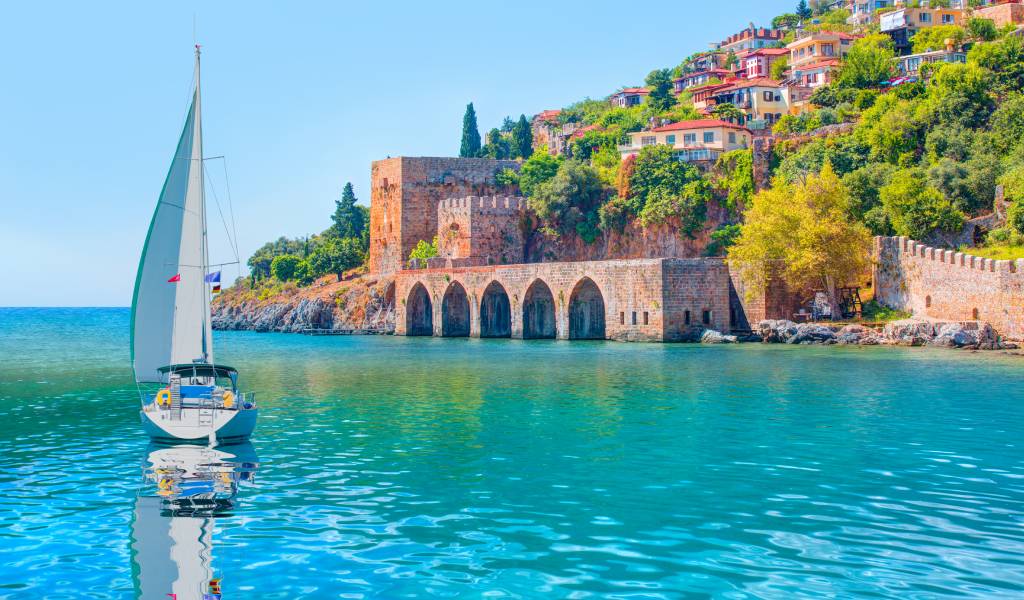
Alanya has been a regional center for numerous Eastern civilizations due to its environmental positioning strategy on a short island on the Mediterranean Coast below the Mountain Range. However, Alanya’s most significant political prominence was during the Middle Ages, when it was part of the Seljuk Sultanate of Rûm, ruled by Alaeddin Kayqubad I. Almost all of the city’s icons, including the Tersane (Shipyard), and Alanya Castle, Kizil Kule (Red Tower), were built during his construction drive.
Location
The town of Antalya is situated on the Bank of Antalya in the Anatolian shoreline of Pamphylia, between the Mediterranean Sea to the south and the Taurus Mountains to the north. It is a section of the Turkish coast spanning around 70 kilometers of shoreline. The coastal Manavgat district, the hilly Gündomuş interior, the coastal Gazipaşa district, Sarveliler in the Province of Karaman border the Alanya district from west to east. The ancient towns of Selge and Side are in Manavgat. The Dim River, which originates in the highlands of Konya and runs southwest into the Mediterranean, is located east of the city.
Eleven Things to do in Alanya are:
- Anemurium Discovery – The considerable wandering remains of Anemurium are among the most intriguing sites in the southern Mediterranean region. Still, they attract barely a fraction of the tourists that other ancient sites do. The ruins are located along the length of a seashore distance just north of Anamur, 117 kilometers south of Alanya, and the coastal roadway that leads here is instead winding in places. The ruins of Anemurium are a blend of Roman and Greek architecture. They include a 3rd-century baths complex, a 4th-century basilica church, a vast undercity area, and a well-preserved all-surrounded walled city that slope down the mountainside.
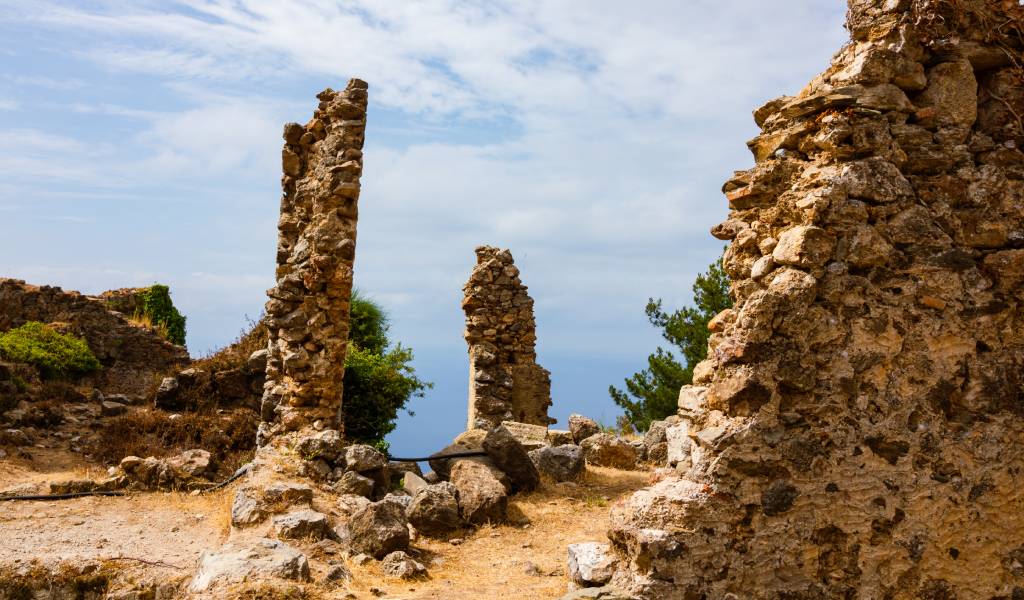
- Visiting Sydera – Ancient Syedra is a great place to visit if anybody wants to escape the bus tour hordes. It is located off the Antalya-Mersin Highway in Anamur. This evocative, solitary ruin, perched upon a mountaintop facing the seashore barely 22 miles southeast of Alanya, is likely to be deserted even during peak tourist season. Syria’s colonial roots go back to the seventh century, and it was abandoned totally in the 1300s. However, the most critical time was the Roman era, when the place rose to fame due to its seaside location. The majority of the structures that can still be seen currently date from that period. Make a point of strolling along the colonnaded street and exploring the Roman bathing buildings, gym, and sanctuaries, which are also the best surviving aspects of the site.
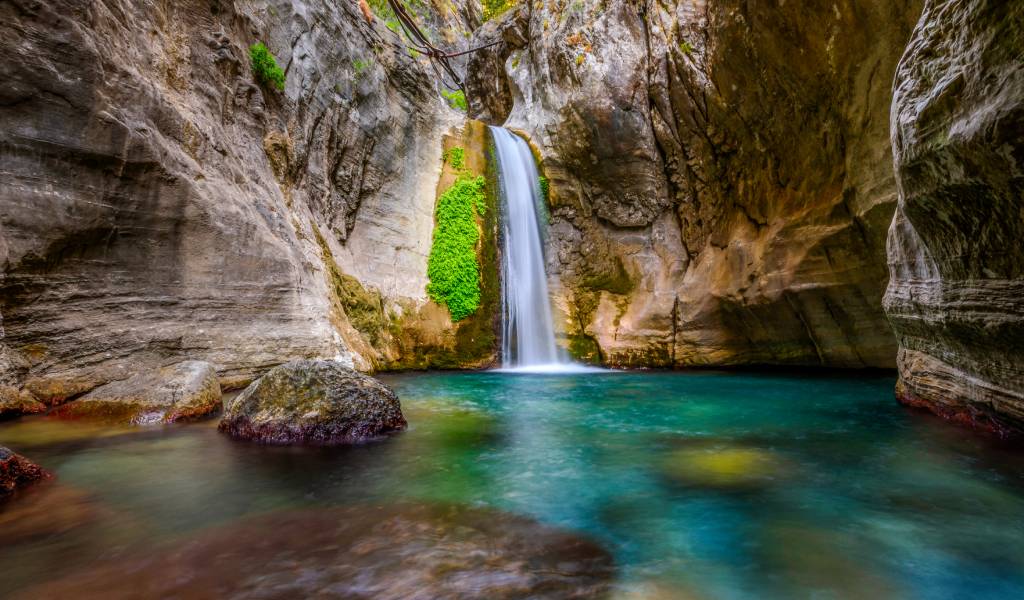
- Sapadere Canyon Swimming – Sapadere Canyon, located on the borders of the tiny community of Sapadere, is a short 20-kilometer drive from Alanya. Between May and October, many tour companies in Alanya provide daily jeep journeys to Sapadere Canyon, which seem ideal for those who wish to relax and enjoy the beauty. Sapadere Canyon, while being just 800 meters long, is positioned between towering walls that are upto 400 meters in height. The walls create a milder environment in the canyon than near the shore, making it a popular summer getaway. A walkway winds around the canyon, bypassing a few shaded cafés where people can rest and take in the scenery. A tiny lagoon and waterfall are located near the canyon’s bottom. Most visitors come to swim in the lagoon’s icy, clear ocean and relax in the milder weather.
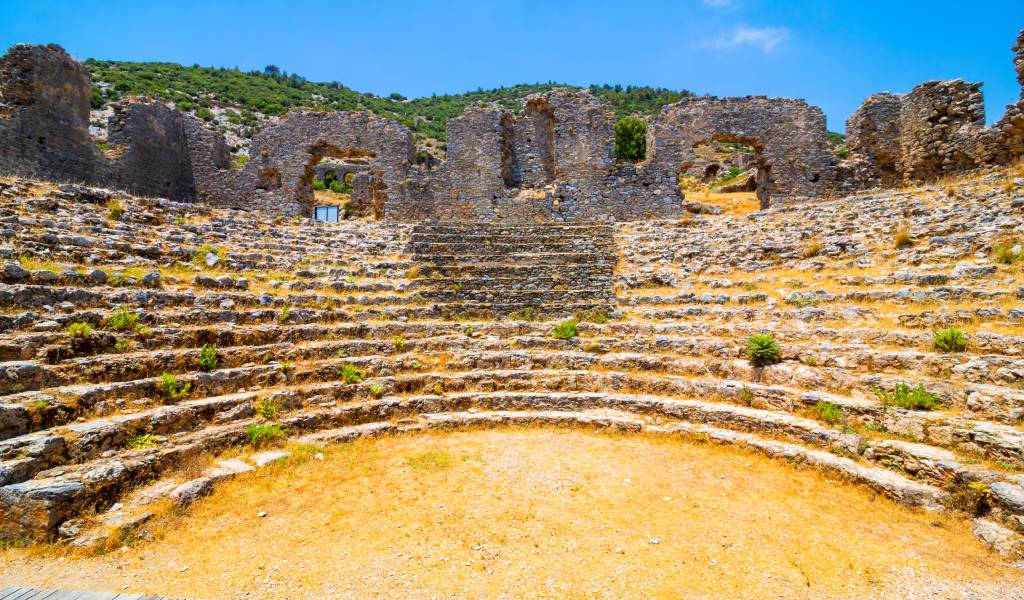
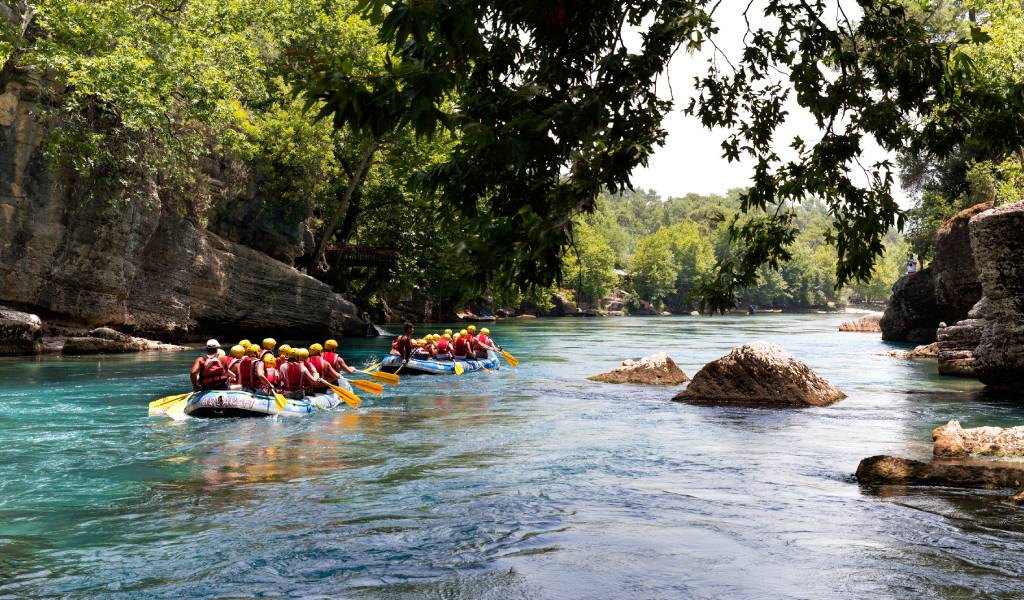
- Sightseeing and Rafting in Köprülü Canyon – The National Park is situated around 125 kilometers northeast of Alanya. It’s most known as being one of the top sites to explore for rafting trips on the cold river running down the canyon, but there are also Roman remains and lots of hiking options. Selge is the area’s primary Roman historic site, and the ruins of once metropolis of twenty thousand people may be seen in the isolated town of Altnkaya. Despite being largely ruined, the enormous Roman Theater carved into the mountainside and rising over the present village buildings is worth visiting here. Numerous tour organizations provide rafting rides within the canyon anywhere along the Köprü River. The tours follow the river’s most attractive portion, passing beneath the Roman-built Oluk Bridge that goes back to the second century.
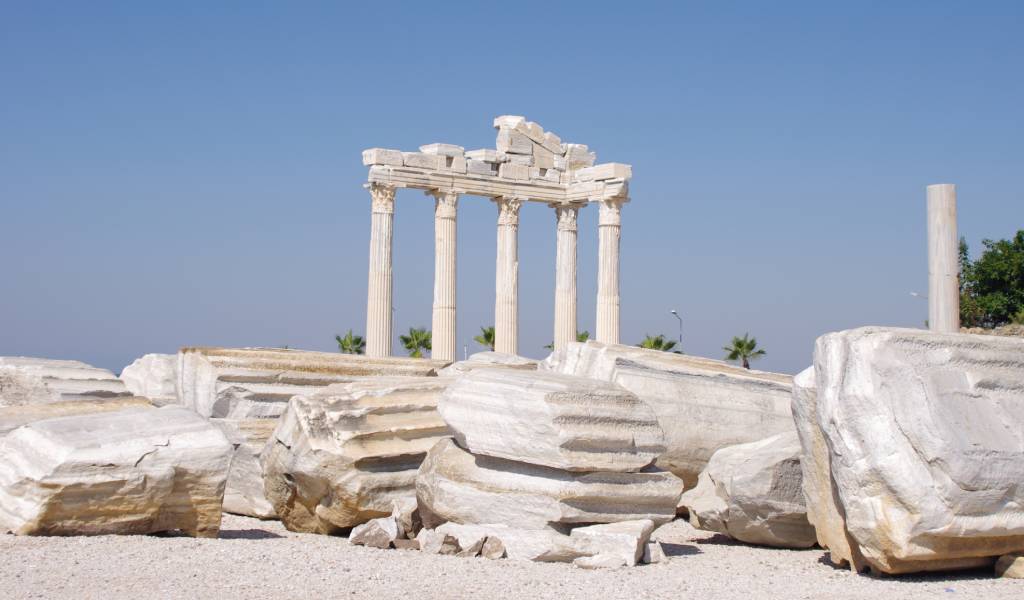
- Side trip for the day – The ancient remains dispersed across the little town of Side are only 64 kilometers northwest of Alanya and may easily be seen in a single day. Side is a tiny but lively seaside resort with a bustling market area that winds its way through the old town section and the bay. There are several cafes and restaurants along the coast here, and it is the perfect area to have lunch. The largest region of old ruins is located just across from the inland gateway of Side’s old town region. Side’s enormous second Roman Coliseum, which can accommodate up to twenty thousand people, may be found here. It’s one of Turkey’s best-preserved Roman arenas and the area’s most popular tourist destination. Side Museum is located across the street from the theatrical entryway and is housed in a Roman bathhouse. People can also visit the sprawling expanse of remains, including the Temple of Tyche and the Agora, close to the arena’s east. The surviving columns and pillars of the Temples of Athena and Apollo, which view the sea, are located directly on the shoreline.
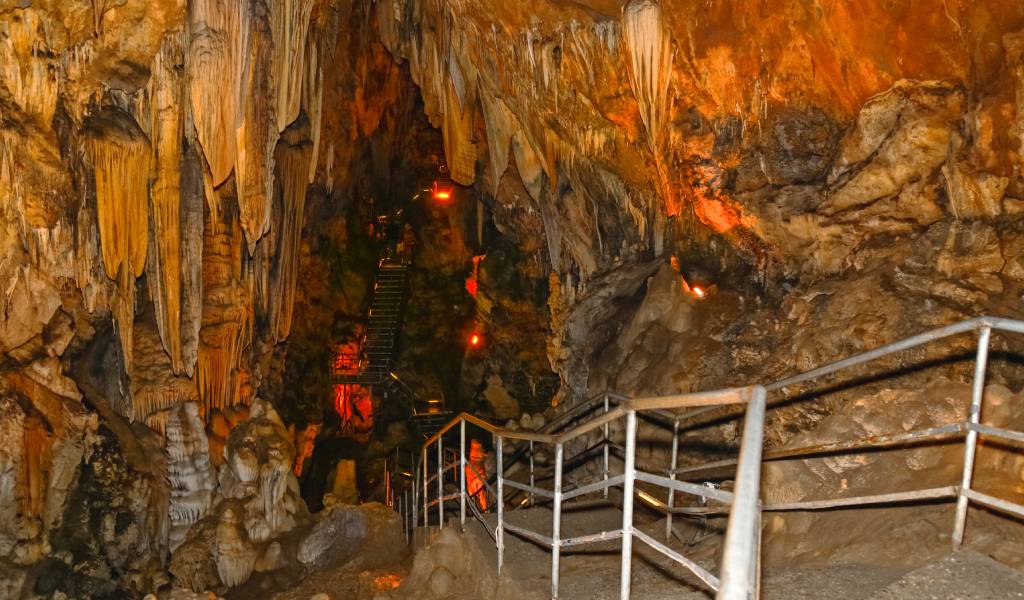
- Going Underground at Dim Cave – Dim Cave is a cave carved outside the western side of Mount Cabel, only eleven kilometers inland from Alanya. The cave is Turkey’s 2nd largest cave exposed to tourists, with a 360-meter boardwalk leading through the cave and a 17-meter descent into the abyss underneath the open entrance. The cave’s bottom level is covered with massive stalagmite and stalactite structures. Tourists should have a pullover or sweatshirt once inside the cave as it gets cold down there, even in summer. The cave entrance includes a café, which offers spectacular scenery of the coastal plains below.
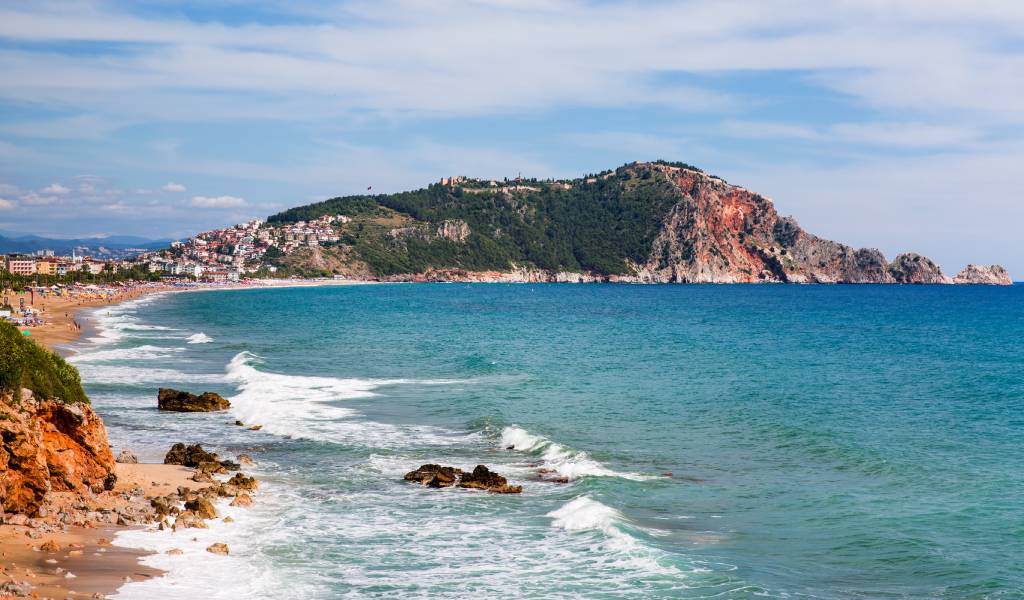
- Enjoy the Sun at Cleopatra Beach – Resorts along the span of shoreline surround the gorgeous beaches of Alanya. Cleopatra Beach is the primary stretch of beach in Alanya, located on the western side of the city, isolated from urban Alanya by the steep, wooded slopes of the palace promontory. This length of sand provides relaxed hours of sunbathing and swimming and good facilities for a complete day at the shore. The beach may grow crowded during the summer months.
- Boat/Ferry Trips – Throughout May to October, many touring sailboats sail from the harbor for all-day journeys around the spectacular rocky headland and mooring off the coast for several swimming spots. The primary sea caverns accessible by boats are Damlatas Cave and Pirate Cave; however, numerous other spots may be explored depending on the vessel, including Lovers’ Cave and Fosforlu Cave. The quality of the trips varies greatly. Some ships are simply specialized party tours; Smaller boats are typically a better alternative for normal sightseeing.
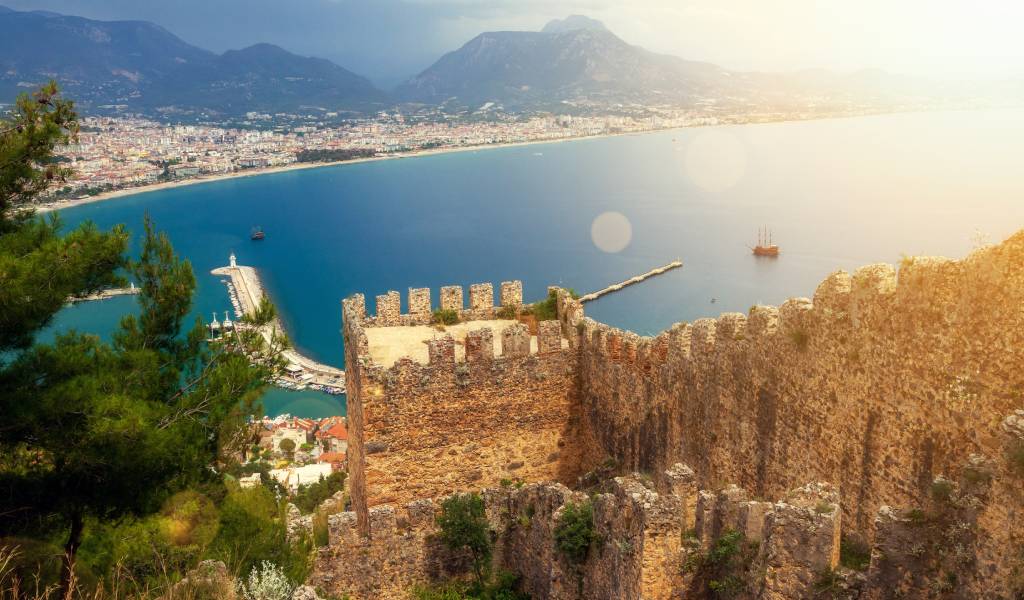
- Exploring Alanya Castle – Alanya Castle’s old walls run for six kilometers along with a steep point, casting a shadow over the urban sprawl of Alanya. Alanya’s old town section is located within the walls and is a fascinating region of the town to visit. Castle’s history extended to the ancient period when this rugged, cave-infested island was a popular haven for pirates. The Greek-built walls were expanded under the Roman administration. During the Byzantine century, Alanya started to function as a Mediterranean harbor. The Ehmedek neighborhood is located in the lower area, closest to the entry gate. Explore the alleys of houses and historical structures here, then take the twisting pathways up to the Iç Kale for earlier Byzantine remnants, views of the sea, the Taurus Mountains behind, and the coastal plains.
- Learn about the history of Alanya Harbor – Both the Seljuk Shipyard (Tersane) and the Red Tower (Kzlkule) are expansions of the 13th-century Alanya castle defenses of the Harbor-side. During the Seljuk era, 30-meter-high Red Tower functioned as the harbor’s defensive watchtower. Climb to the top for panoramic views of the harbor. A lovely path extends from the tower along the harbor’s ancient fortress walls to Turkey’s sole preserved Seljuk-era dock. The curved rooms carved into the beachfront are visible to the sea. Thus the stone is continuously battered. The boardwalk continues down the shore for a short distance to a modest Seljuk-era tower structure.
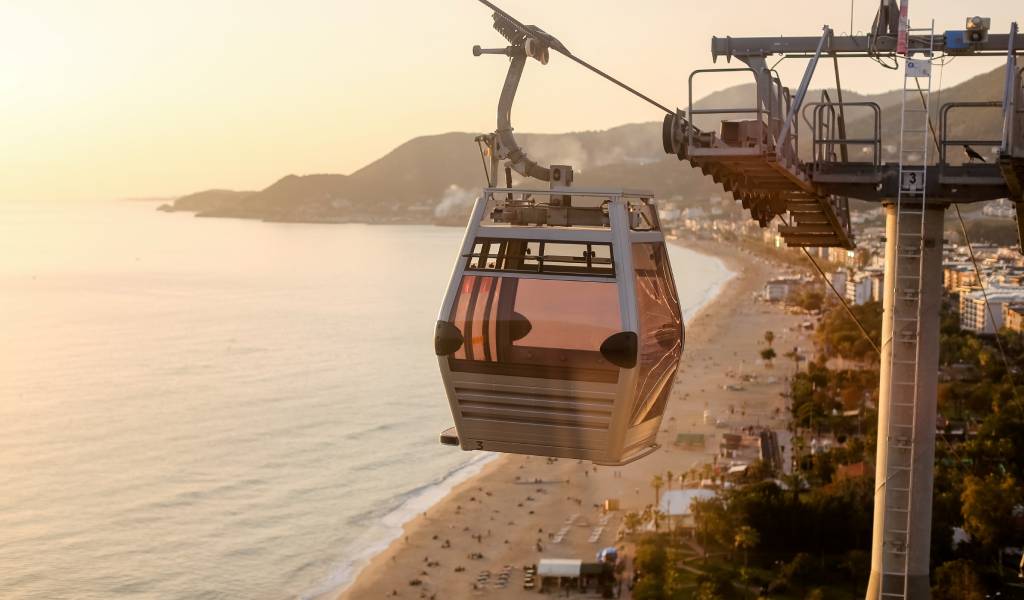
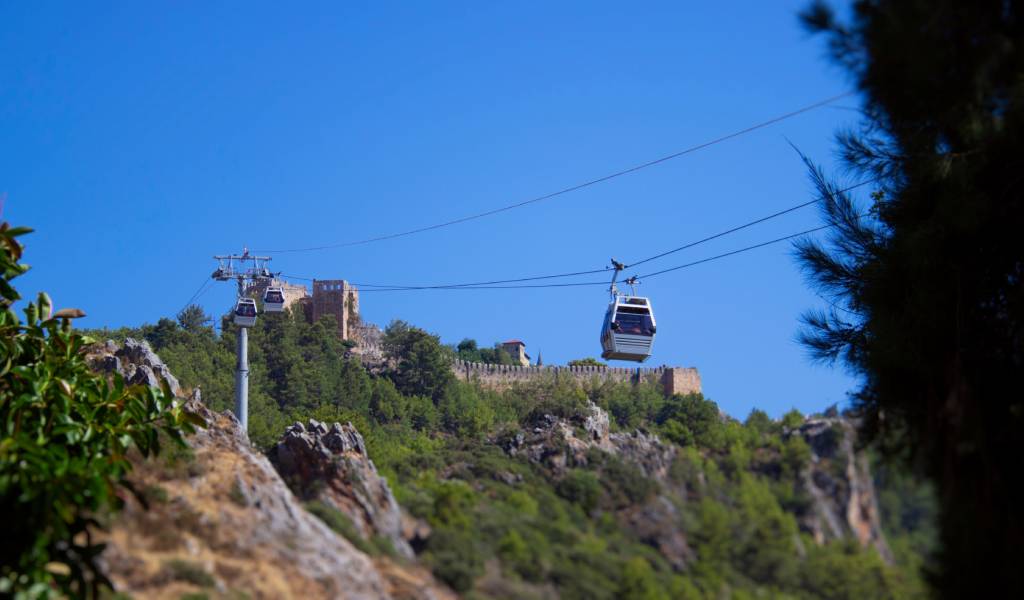
- Ride in Alanya Teleferik – The cable ride that links the lower town of Ehmedek with Cleopatra Beach is the most picturesque method to go to the Castle area. The cable ride runs every day from 11 a.m. to 9 p.m., and the ride well over the mountain is ideal for photographing sunset seaside vistas and a mode of transportation. The one-kilometer ride provides spectacular views of the wooded cliff face going up to the fortress, the Mediterranean Sea below, the wide sands of Cleopatra Beach, and the dark mountains in the distance. The bottom site is situated right beyond the shoreline, while the top platform is situated just beyond Castle’s entry gate, from where old structures can be visited going up the slope.
Bottom Line
Alanya offers a diverse range of activities. The itinerary is going to be jam-packed. Most tourists visit Alanya during the summer to relax and enjoy its magnificent beaches and resorts and see different ancient monuments and locations. Alanya is a must-visit destination for travelers searching for fun and relaxation, thanks to its gorgeous scenery and various activities.